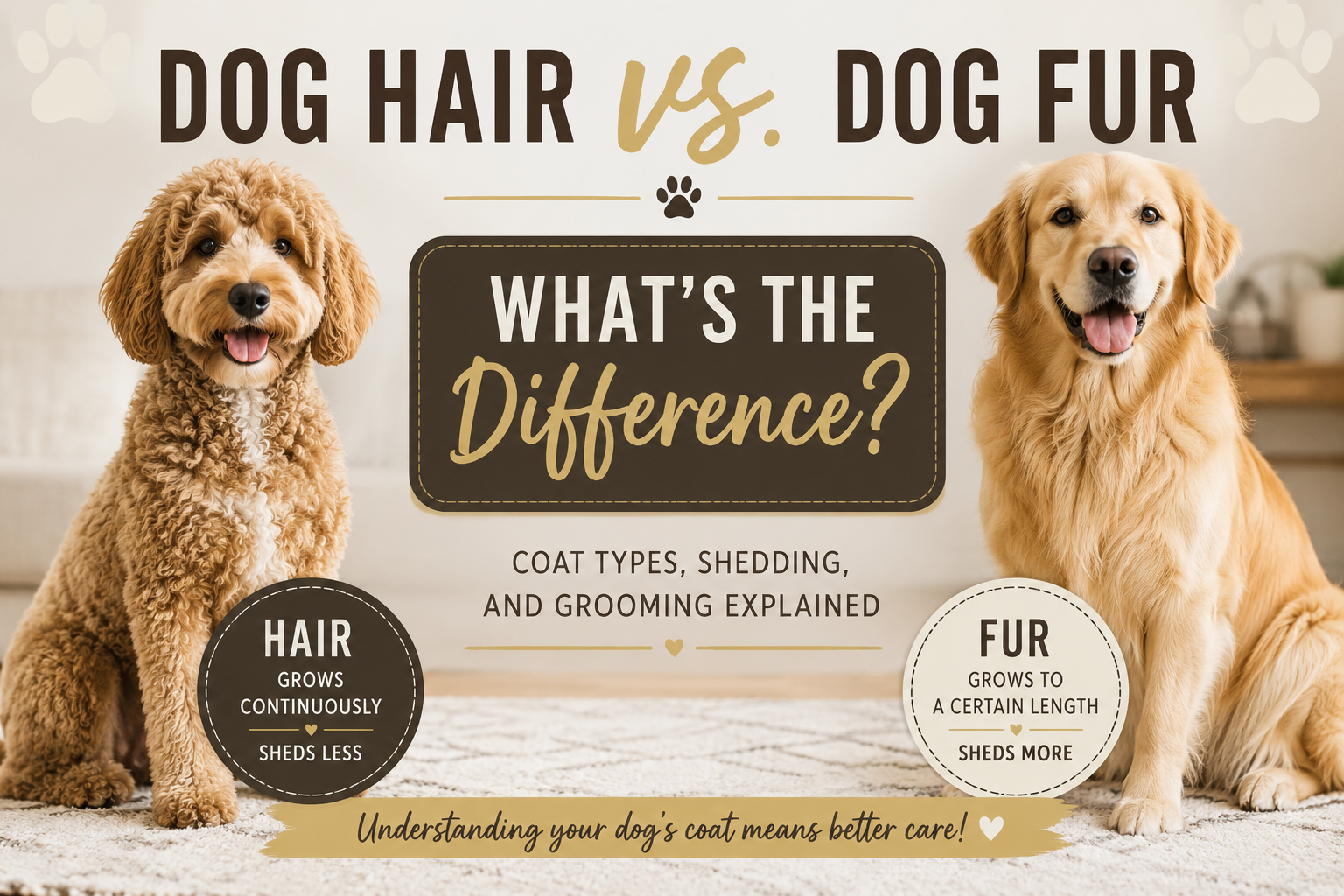
If you’ve ever heard someone say, “My dog has hair, not fur,” you may have wondered if there’s actually a difference.
The short answer is yes—but it’s not as simple as many people think.
The Science
Technically, all dogs have hair.
Hair and fur are made from the exact same protein: keratin. The difference isn’t in what they’re made of—it’s in how they grow.
Dogs with “Hair”
Dogs that are said to have hair typically:
- Have a single coat instead of a double coat
- Shed very little
- Have hair that continues growing until it’s cut
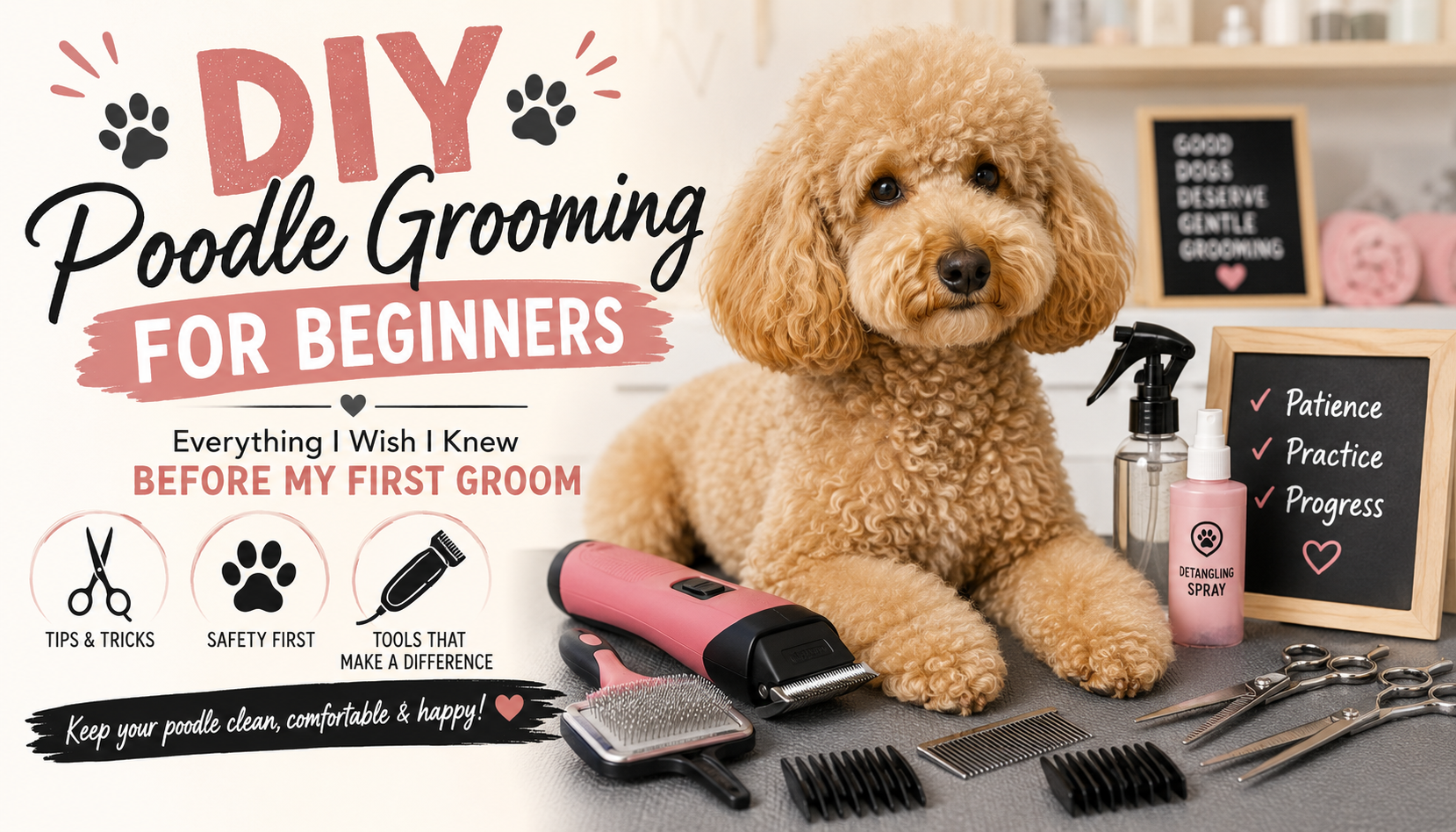
- Need regular professional grooming
Examples include:
- Poodles
- Doodles
- Shih Tzus
- Maltese
- Yorkies
- Portuguese Water Dogs
These breeds often need grooming every 4–8 weeks because their hair doesn’t naturally stop growing.
Dogs with “Fur”
Dogs with fur usually:
- Have a double coat
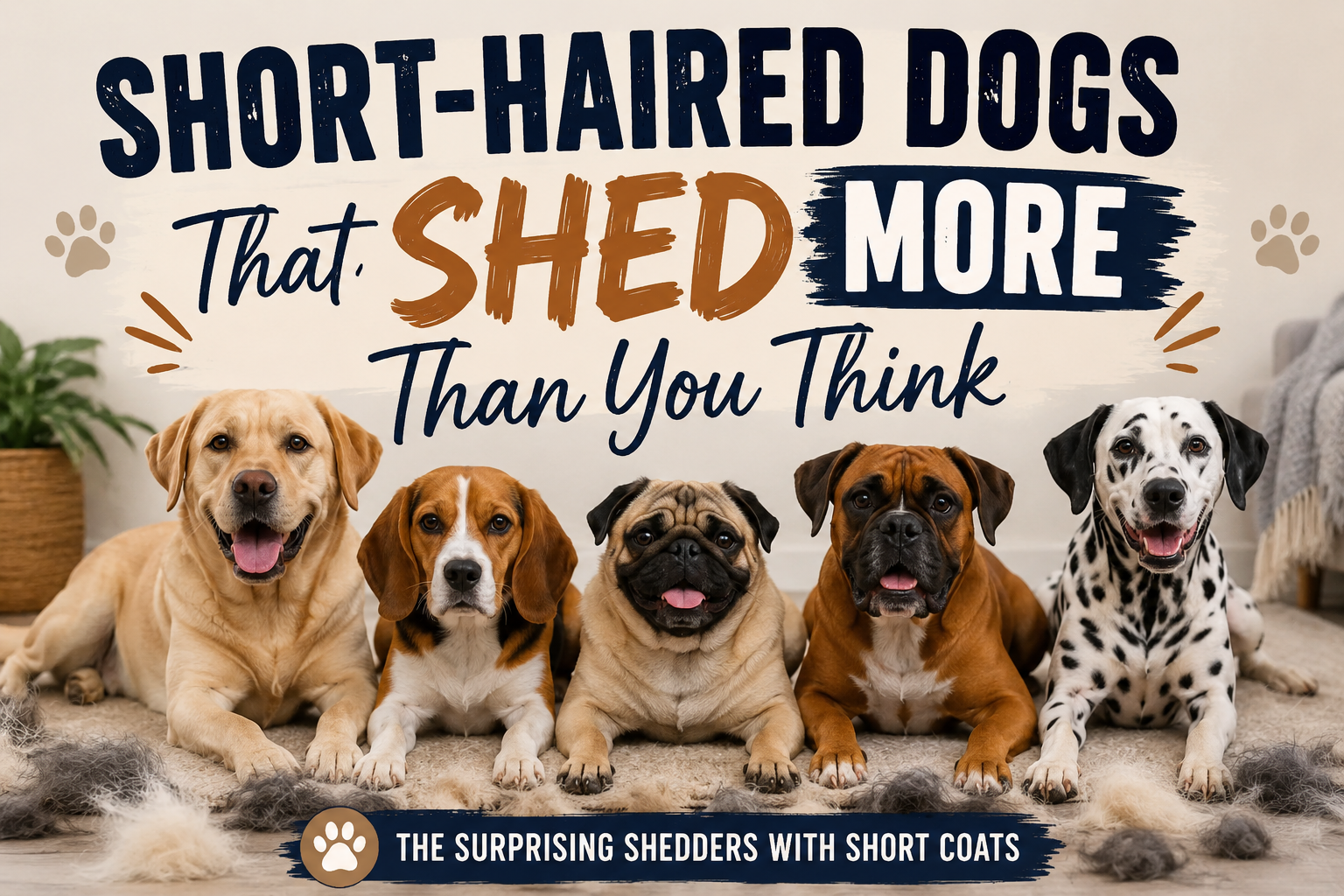
- Shed seasonally or year-round
- Have hair that grows to a certain length and then stops
- “Blow” their coat during seasonal shedding
Examples include:
- Labrador Retrievers
- Golden Retrievers
- German Shepherds
- Huskies
- Border Collies
- Corgis
These dogs benefit from regular brushing and de-shedding treatments rather than frequent haircuts.
Which Sheds More?
Generally:
- Hair-coated dogs shed less.
- Fur-coated dogs shed more.
However, “less shedding” doesn’t mean “less maintenance.”
Many people choose a doodle because they want less dog hair around the house. What they often don’t realize is that all that loose hair gets trapped in the coat instead of falling onto the floor. Without frequent brushing, it turns into painful mats.
👉 That’s why many low-shedding breeds actually require more grooming—not less.
Internal Link: Why Does Dog Grooming Cost So Much?
Is Dog Hair Hypoallergenic?
No dog is truly hypoallergenic.
Some breeds produce fewer allergens because they shed less, but they still produce:
- Dander
- Saliva
- Skin oils
People with allergies may tolerate these breeds better, but there are no completely allergy-free dogs.
Why This Matters for Grooming
Understanding your dog’s coat type helps you know what kind of care they need.
Hair-coated dogs need:
- Regular brushing
- Professional haircuts
- Routine maintenance appointments
Fur-coated dogs need:
- Frequent brushing during shedding seasons
- Undercoat removal
- Occasional bath and de-shed services
The right grooming routine keeps your dog comfortable, healthy, and looking their best.
Final Thoughts
Whether your dog has what people call hair or fur, every coat requires care. The biggest difference isn’t what covers your dog—it’s how that coat grows and how it should be maintained.
Choosing the right grooming routine for your dog’s coat type can prevent painful matting, reduce shedding, and help keep your pup happy year-round.
If you’re ever unsure what type of coat your dog has, ask your groomer. Understanding your dog’s coat is the first step toward keeping them healthy, comfortable, and looking their best.
Why Does My Dog’s Groom Cost So Much?


Leave a Reply