
What Every Dog Owner Needs to Know Before Touching Those Ears

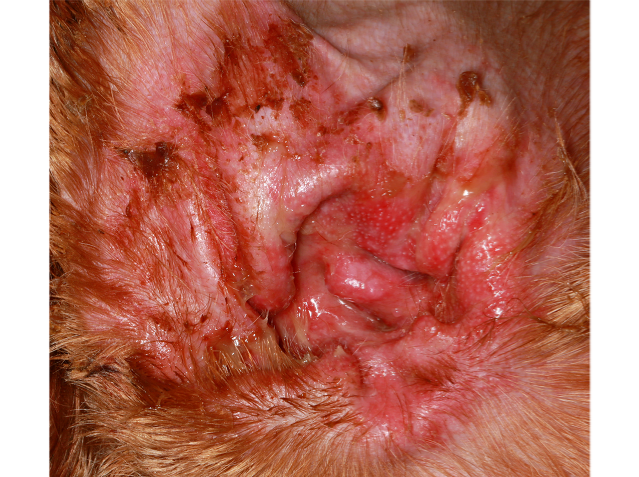

Ear infections are one of the most common issues dog owners face—especially with breeds like Poodles, Doodles, and other dogs with hair inside their ear canals.
And right in the middle of all the debate is one big question:
👉 Should you pluck your dog’s ear hair… or leave it alone?
Let’s break this down simply, honestly, and from a groomer’s perspective.
Why Dogs Get Ear Infections in the First Place
Before we even talk about plucking, we need to understand why ear infections happen.
The most common causes include:
- Moisture trapped in the ear (hello, bath time + swimming)
- Poor airflow in the ear canal
- Wax buildup
- Allergies (this is a BIG one)
- Excess hair trapping debris and bacteria
Dogs with floppy ears or dense ear hair are especially at risk because their ears don’t dry easily.
What Ear Hair Actually Does
Ear hair isn’t automatically “bad.”
In small amounts, it can:
- Help protect the ear canal from debris
- Act as a natural barrier
But when it becomes thick, matted, or excessive, it can:
- Trap moisture
- Hold bacteria and yeast
- Block airflow
And that’s where problems start.
To Pluck or Not to Pluck? (The Real Answer)
Here’s the truth most people won’t say clearly:
👉 It depends on the dog.
Plucking may be helpful if:
- The ear hair is dense and blocking the canal
- There is visible buildup trapped in the hair
- Your groomer or vet recommends it for YOUR dog
- Your dog has a history of infections caused by poor airflow
You should NOT pluck if:
- The ears are already irritated or infected
- The hair is minimal and not causing blockage
- Your dog has sensitive skin or reacts poorly to plucking
⚠️ Important: Over-plucking can cause tiny micro-tears in the skin, which actually make infections more likely.
What Groomers Are Seeing Right Now
There’s been a shift in the grooming world:
- Older advice: “Always pluck ear hair.”
- Newer approach: “Only pluck when necessary.”
Many professionals are moving toward minimal or selective plucking, especially for dogs who don’t actually need it.
A Better Approach: Ear Maintenance Without Overdoing It
If you want to prevent infections, this matters way more than aggressive plucking:
✔️ Keep ears clean (but not stripped)
Use a gentle ear cleaner regularly—especially after baths or swimming.
✔️ Keep ears dry
Moisture is the enemy. Always dry ears thoroughly.
✔️ Watch for early signs
- Odor
- Redness
- Head shaking
- Scratching
Catch it early, and you avoid bigger problems.
Regular cleaning matters just as much as plucking. I break down exactly how to do it safely at home in How to Clean Your Dog’s Ears.
Safe Grooming Tools to Have at Home
If you are maintaining your dog’s ears at home, stick with safe, gentle tools:
- Amazon Basics Hypoallergenic Cotton Rounds
- Dog Ear Powder with 5.5 Inch Hair Removal Tool
- Virbac Epi-Otic Advanced Ear Cleanser
And if you’re unsure? Don’t guess—ask your groomer or vet.
📎I only recommend products I trust. This post may contain affiliate links, meaning I may earn a small commission if you buy through them (no extra cost to you).
So… What Should YOU Do?
Here’s the grounded, no-nonsense answer:
👉 Stop following blanket advice. Start following your dog.
If your dog:
- Has thick ear hair + recurring infections → selective plucking may help
- Has healthy ears with no issues → leave it alone
There is no one-size-fits-all rule here.
When to See a Vet Immediately
Don’t try to fix this at home if you notice:
- Strong smell
- Dark discharge
- Swelling
- Pain when touched
Ear infections can get worse fast—and they’re uncomfortable for your dog.
Final Thoughts
If you’ve decided that your dog’s ears do need plucking, technique matters more than people realize. Done wrong, it can cause irritation or even lead to infection.
I walk through exactly how to do it safely (and what to avoid) in my guide on How to Pluck Dog Ear Hair Safely.
Ear care isn’t about doing more—it’s about doing what’s appropriate.
Over-plucking can cause problems.
Ignoring buildup can cause problems.
👉 The goal is balance.
And if you take one thing away from this:
Healthy ears are clean, dry, and not over-handled.




Leave a Reply