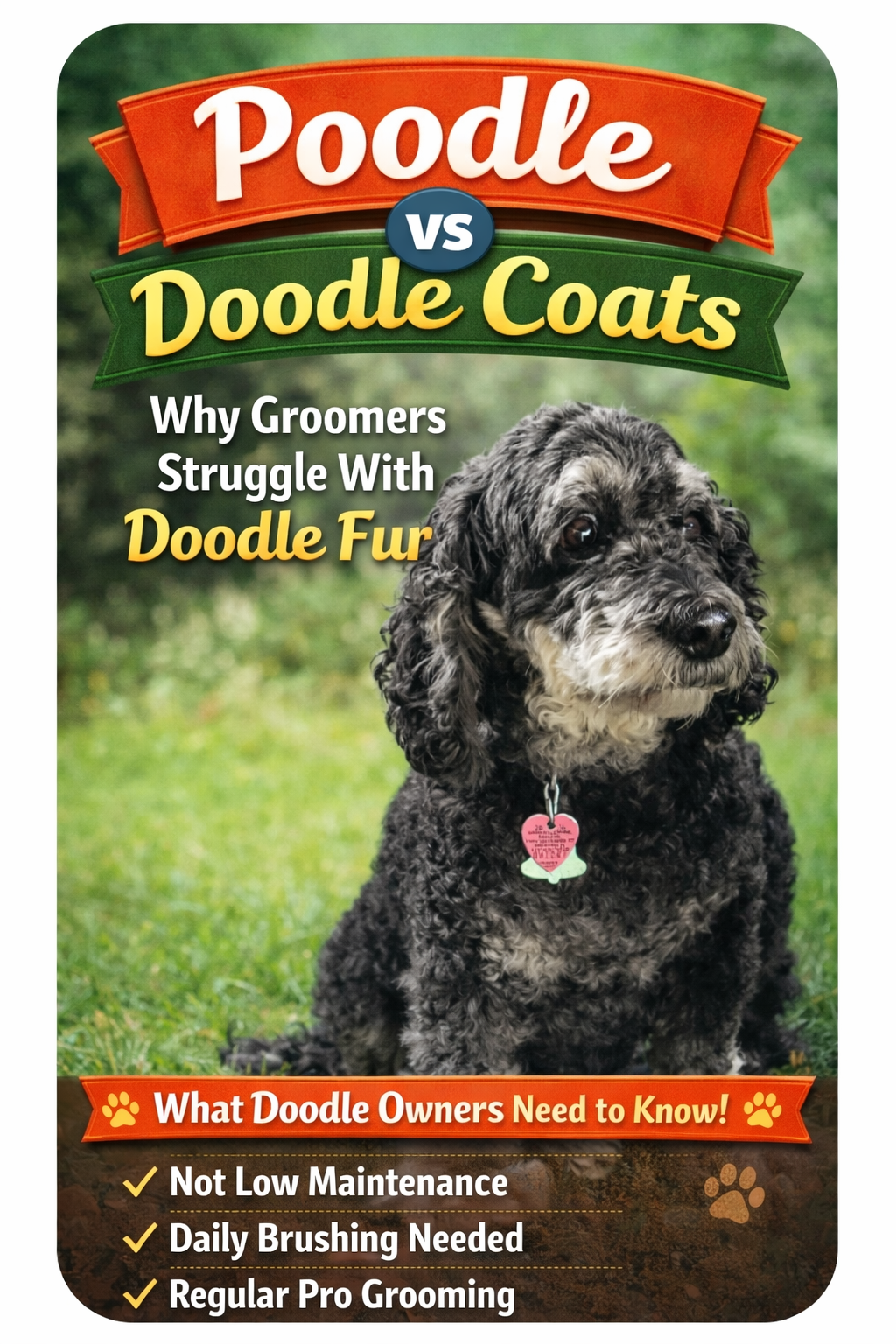
Over the past several years, doodles have exploded in popularity. Goldendoodles, Labradoodles, Bernedoodles—families love them for their sweet personalities, teddy-bear looks, and the belief that they are easy to maintain.
But when these dogs arrive at the grooming salon, many owners are surprised to hear that their dog’s coat is very different from a poodle’s coat—and that difference matters more than most people realize.
This isn’t about criticizing doodles or the families who love them. Doodles can be wonderful dogs. The goal here is simply to explain how their coats work and why groomers often have strong feelings about them.
Understanding the Poodle Coat


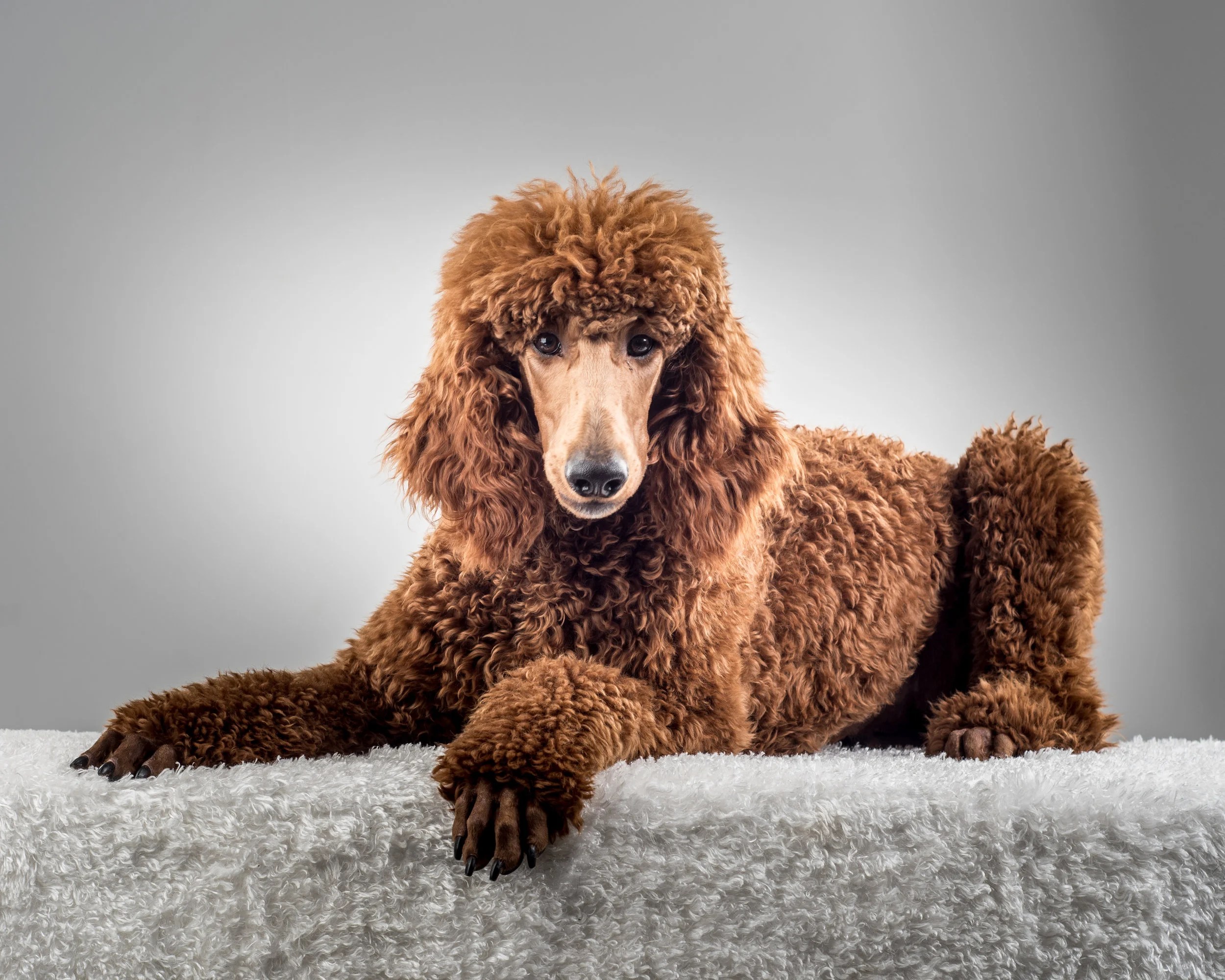
Poodles have a very predictable coat type.
Their fur is made of tight, dense curls that grow continuously, much like human hair. Because the curls interlock with each other, the coat tends to hold together instead of shedding all over the house.
Key characteristics of poodle coats:
- Consistent texture
- Minimal shedding
- Predictable grooming patterns
- Designed for regular brushing and clipping
Because the coat type is consistent, groomers know exactly what to expect. With proper brushing and regular grooming appointments, poodle coats are usually very manageable.
Understanding the Doodle Coat

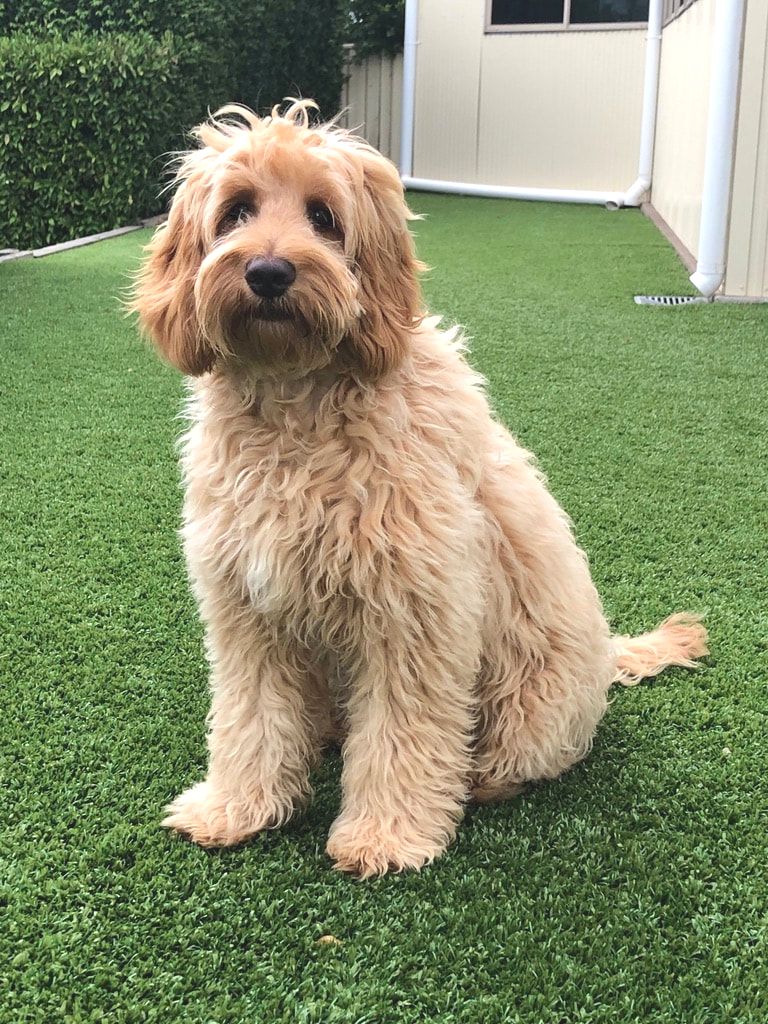


Doodles are a mix between a poodle and another breed—often a Golden Retriever, Labrador Retriever, or Bernese Mountain Dog.
Because of this, their coat genetics are unpredictable.
A doodle may inherit:
- The shedding undercoat of the non-poodle parent
- The curl pattern of the poodle
- Or a mix of both
When these two coat types combine, the result can be what groomers call a “high-maintenance hybrid coat.”
This coat often has:
- A soft fluffy outer coat
- A dense shedding undercoat
- Loose curls or waves that tangle easily
Those soft, plush coats everyone loves to pet? They are also extremely prone to matting.
The Biggest Misconception About Doodles
One of the most common things groomers hear is:
“We got a doodle because they’re low maintenance.”
Unfortunately, the opposite is often true.
Many doodle coats require:
- Daily brushing
- Professional grooming every 4–6 weeks
- High-quality tools and techniques
Without consistent brushing, the soft coat can tangle very quickly. Those tangles tighten into mats that sit close to the skin, which can become uncomfortable for the dog.
By the time some doodles arrive at the salon, the coat may be too matted to brush out safely. In those situations, the kindest option is often to clip the coat short.
This is where frustration sometimes begins—for both owners and groomers.
Why Some Groomers Refuse Doodles
You may have heard that some groomers won’t accept doodles as clients. That can feel personal to doodle owners, but most of the time it isn’t about the dog at all.
It usually comes down to a few realities of the job:
1. Severe Matting Is Common
Because of the coat type and common misconceptions about maintenance, doodles often arrive with heavy matting. Removing matting safely can take much longer and carries higher risk for the dog.
2. Physical Strain on Groomers
Large doodles with dense coats can be physically demanding to groom. Brushing out a thick, tangled coat for hours can put serious strain on a groomer’s hands, wrists, and back.
3. Time vs. Expectations
Many doodle owners request long, fluffy haircuts—but those styles are only possible when the coat is maintained well between appointments.
When a dog arrives matted, groomers may have no choice but to clip the coat short, which can lead to disappointment or frustration from the owner.
To avoid these situations, some groomers choose to specialize in other coat types.
The Truth About the “Doodle Hate”
You may hear jokes or complaints about doodles in grooming circles. But most of the time, what people call “doodle hate” is really frustration with coat maintenance misunderstandings.
Groomers don’t dislike doodles. (most)
In fact, many groomers love their personalities. Doodles are often affectionate, playful, and eager to interact.
The real challenge is the coat—and the expectations that come with it.
Setting Doodles Up for Success
The good news is that doodles can have beautiful coats when they’re cared for properly.
Helpful routines include:
- Line brushing several times per week
- Regular professional grooming every 4–6 weeks
- Using conditioner during baths to keep the coat manageable
- Keeping coats at a length that matches the brushing routine at home
When owners and groomers work together, doodles can be wonderful grooming clients.
A Groomer’s Perspective
At the end of the day, groomers want the same thing dog owners do: a healthy, comfortable dog.
Understanding the difference between poodle and doodle coats helps set realistic expectations and prevents frustration on both sides of the grooming table.
Doodles aren’t “bad” dogs.
They just come with a coat that needs more care than most people expect—and once that’s understood, everyone (including the dog) has a much better grooming experience.





 Shear Grace
Leave a comment