
And why being gentle matters more than you might think
Walk into any pet store or browse grooming supplies online and you’ll immediately see it—rows and rows of brushes. Slicker brushes, pin brushes, rakes, bristle brushes, rubber brushes… it can be overwhelming.
The truth is that not every brush works for every dog, because dogs have many different coat types. Choosing the right brush isn’t just about making a dog look nice. It’s about protecting their skin, preventing pain, and keeping their coat healthy.
One of the most important things I’ve learned in grooming is that a dog’s skin is incredibly thin compared to ours. In many places, a dog’s skin can be as much as five times thinner than human skin. That means brushing too hard or using the wrong tool can easily cause irritation, scratches, or even small injuries.
Gentle handling and the correct brush make all the difference.
Let’s look at the most common coat types and the brushes that work best for each.
—
Double Coats
Examples include breeds like Huskies, Golden Retrievers, German Shepherds, and many spitz-type breeds.
Double coated dogs have two layers of fur:
A soft, dense undercoat that insulates
A longer guard coat that protects from weather and dirt
These coats shed heavily, especially during seasonal “coat blows.”
Best brushes:
Undercoat rake
Slicker brush
Long-pin brush
The rake helps remove loose undercoat without damaging the top coat, while the slicker brush helps remove tangles and loose hair. Gentle brushing is key so you don’t scrape the skin.
—
Drop Coats
Drop coats are long, flowing coats that fall downward from the body.
Examples include breeds like Maltese, Shih Tzus, Yorkies, and Lhasa Apsos.
These coats are beautiful but tangle very easily because the hair is fine and silky.
Best brushes:
Pin brush (without ball tips if possible)
Slicker brush for small tangles
Comb for finishing
A pin brush glides through the coat without causing unnecessary breakage. A comb is important because it helps you check that the coat is fully detangled down to the skin.
—
Curly Coats
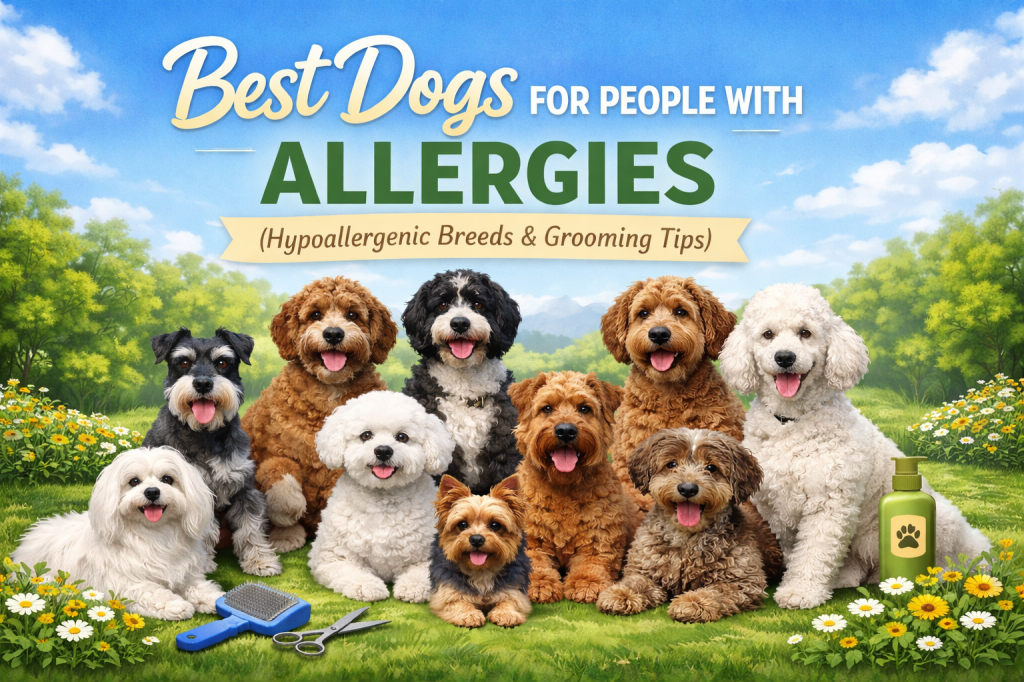
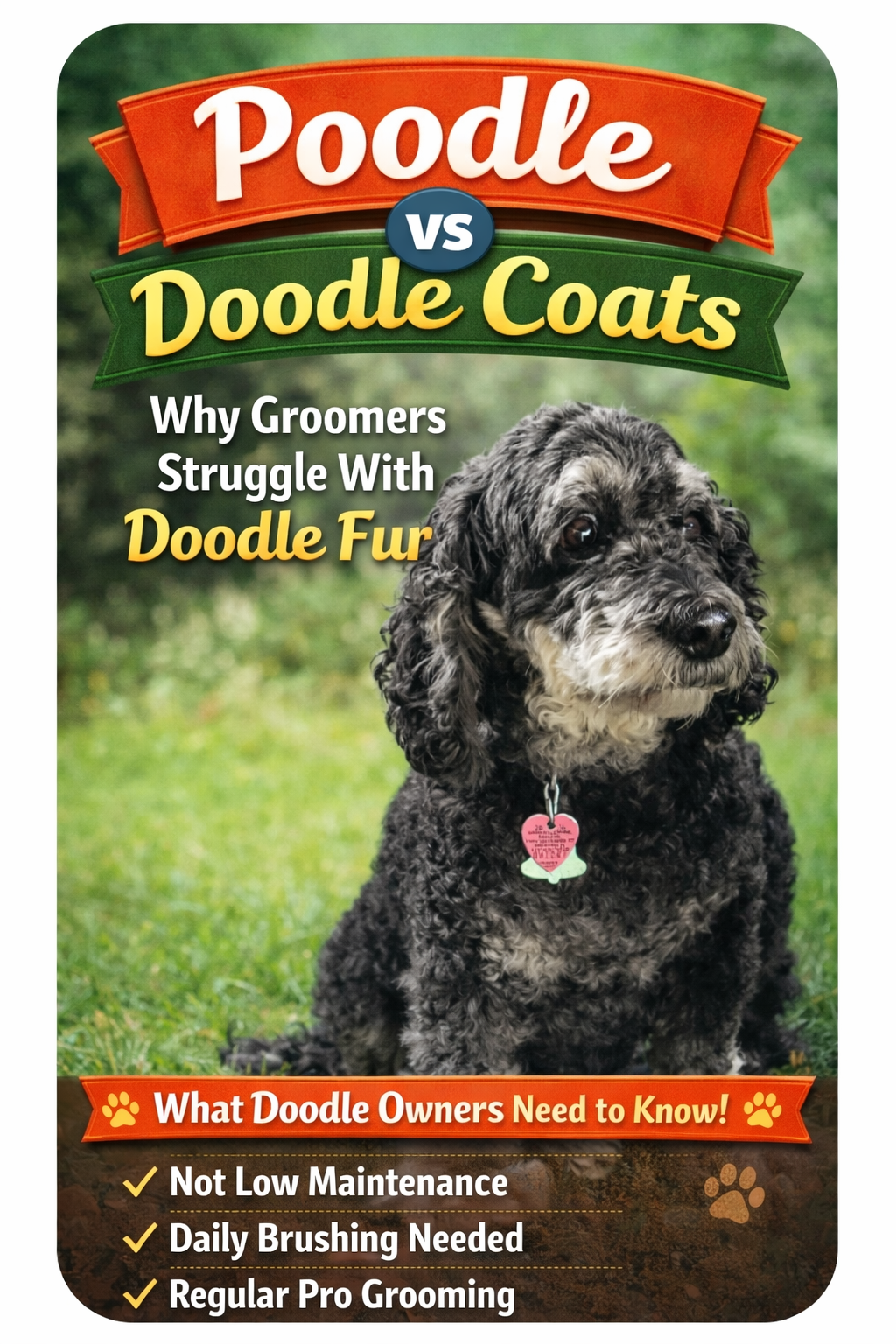
Curly coats are common in breeds like Poodles, Doodles, and Bichons.
These coats trap loose hair inside the curls, which means shedding hair doesn’t fall out easily. Instead, it forms tangles and mats if not brushed regularly.
Best brushes:
Slicker brush (a high-quality one is essential)
Greyhound-style comb
The slicker brush helps separate curls and remove tangles, while the comb ensures the coat is brushed all the way down to the skin.
Without regular brushing, curly coats can mat quickly and tightly.
—
Wire Coats
Wire-coated breeds include terriers like the Airedale, Schnauzer, and Wire Fox Terrier.
These coats have a coarse outer layer designed to protect the dog from dirt and weather.
Best brushes:
Slicker brush
Bristle brush
Stripping knife (for hand-stripped coats)
A bristle brush helps smooth the coat, while a slicker brush helps remove debris and light tangles.
—
Short Smooth Coats
Breeds like Beagles, Boxers, Dobermans, and Labradors have short coats that lie close to the body.
Even though these coats are short, they still shed and benefit from regular brushing.
Best brushes:
Rubber curry brush
Grooming glove
Soft bristle brush
Rubber brushes work especially well because they grab loose hair while also massaging the skin and stimulating natural oils.
—
Why Being Gentle Matters
Because a dog’s skin is so thin, brushing should never feel harsh or aggressive. A dog may tolerate it quietly, but that doesn’t mean it’s comfortable.
When brushing:
Use light pressure
Work in small sections
Support the coat with your hand when removing tangles
Never force a brush through a mat
Brushing should be a calm, positive experience for the dog—not something they dread.
With so many grooming tools available today, it’s easy to assume one brush will work for every dog. But understanding coat types helps us care for dogs the way their coats were designed to be cared for.
The right brush:
Protects their delicate skin
Prevents painful mats
Keeps the coat healthy and clean
Most importantly, it helps ensure grooming is a safe and comfortable experience for the dog.




 Shear Grace
Leave a comment